Building High-Converting Outbound Sales Sequences That Deliver
Part of the SDR Playbook guide: The Complete SDR Playbook for 2026: Your End-to-End GuideMaster the art of building high-converting outbound sales sequences. This tactical guide provides a framework for SDRs to personalize, optimize, and close more deals.
Key takeaways
- Strategic Foundation is Crucial: Before launching any sequence, thoroughly define your Ideal Customer Profile (ICP), buyer personas, and compelling value propositions to ensure targeted outreach.
- Multi-Channel is Non-Negotiable: A truly high-converting outbound sales sequence leverages a strategic mix of email, phone calls, LinkedIn, and even video to maximize touchpoints and resonance.
- Personalization Drives Conversion: Generic messages are ignored. Deep personalization, informed by research and tailored to specific pain points, is essential for breaking through the noise.
- Iterate and Optimize Relentlessly: Outbound sequences are not set-and-forget. Continuous A/B testing of messages, timing, and channels, coupled with performance metric analysis, is vital for sustained improvement.
- Leverage Technology Wisely: AI-powered tools can enhance personalization, provide coaching, and automate tasks, allowing SDRs to focus on high-value interactions and refine their approach.
In the competitive landscape of B2B sales, simply having an outbound sales sequence isn't enough. To consistently book meetings and drive pipeline, your sequences must convert. This isn't about sending more emails; it's about sending the right messages to the right people at the right time, across the right channels. This deep-dive into building high-converting outbound sales sequences will equip SDRs and sales leaders with the tactical framework needed to move beyond generic outreach and into strategic, results-driven engagement.
We're not just talking about a series of emails. We're talking about a meticulously crafted journey designed to resonate with prospects, address their pain points, and ultimately, compel them to take the next step. This is an essential component of any robust Sales Pitch Examples That Close Deals in 2025 strategy.
Understanding the Anatomy of a High-Converting Outbound Sales Sequence
At its core, an outbound sales sequence (often synonymous with a sales cadence) is a structured series of touchpoints designed to engage a prospect and guide them towards a desired action, typically a discovery call or demo. However, a high-converting sequence goes beyond mere structure. It's a blend of art and science, combining empathy, data, and persistence.
Beyond the Blast: Personalization and Multi-Channel Approach
The days of mass email blasts yielding significant results are long gone. Prospects are inundated with messages, making personalization a non-negotiable. This means tailoring your message not just with their name and company, but with insights specific to their role, industry, recent news, or challenges you've identified. A multi-channel approach—integrating email, phone, and social selling (especially LinkedIn)—ensures you're meeting prospects where they are, increasing visibility and recall.
The Role of Value in Every Touchpoint
Every single interaction within your sequence must deliver value. This isn't about pitching your product immediately. It's about offering insights, relevant content, solutions to common problems, or even just a genuine connection. Think of it as a drip campaign of value, building trust and demonstrating expertise before ever asking for their time.
Phase 1: Pre-Sequence Strategy – Laying the Groundwork
Before you even think about drafting an email, a robust pre-sequence strategy is paramount. This foundational work determines the success of everything that follows.
Ideal Customer Profile (ICP) and Buyer Persona Refinement
Who are you actually trying to reach? Your ICP defines the characteristics of the companies that benefit most from your solution (e.g., industry, size, revenue). Buyer personas then drill down into the specific roles within those companies, detailing their challenges, goals, daily responsibilities, and preferred communication channels. The more precise your ICP and personas, the more targeted and effective your outreach will be.
Data-Driven Prospecting and List Building
With your ICP and personas defined, you can now build a high-quality prospect list. Tools like LinkedIn Sales Navigator, ZoomInfo, or Apollo.io are invaluable here. Focus on quality over quantity. A smaller list of highly qualified prospects will always outperform a large, untargeted list. Ensure your data is clean and accurate to avoid wasted effort and maintain deliverability.
Crafting Compelling Value Propositions
What unique problem do you solve for your prospects? How do you make their lives better, easier, or more profitable? Your value proposition must be clear, concise, and focused on their outcomes, not just your features. This will be the bedrock of all your messaging. For deep discovery, remember the power of 21 Discovery Call Questions That Uncover Real Pain in 2025.
Phase 2: Building Your High-Converting Outbound Sales Sequence Framework
This is where you assemble the touchpoints into a cohesive flow. Remember, the goal is to create a natural conversation, not a relentless assault.
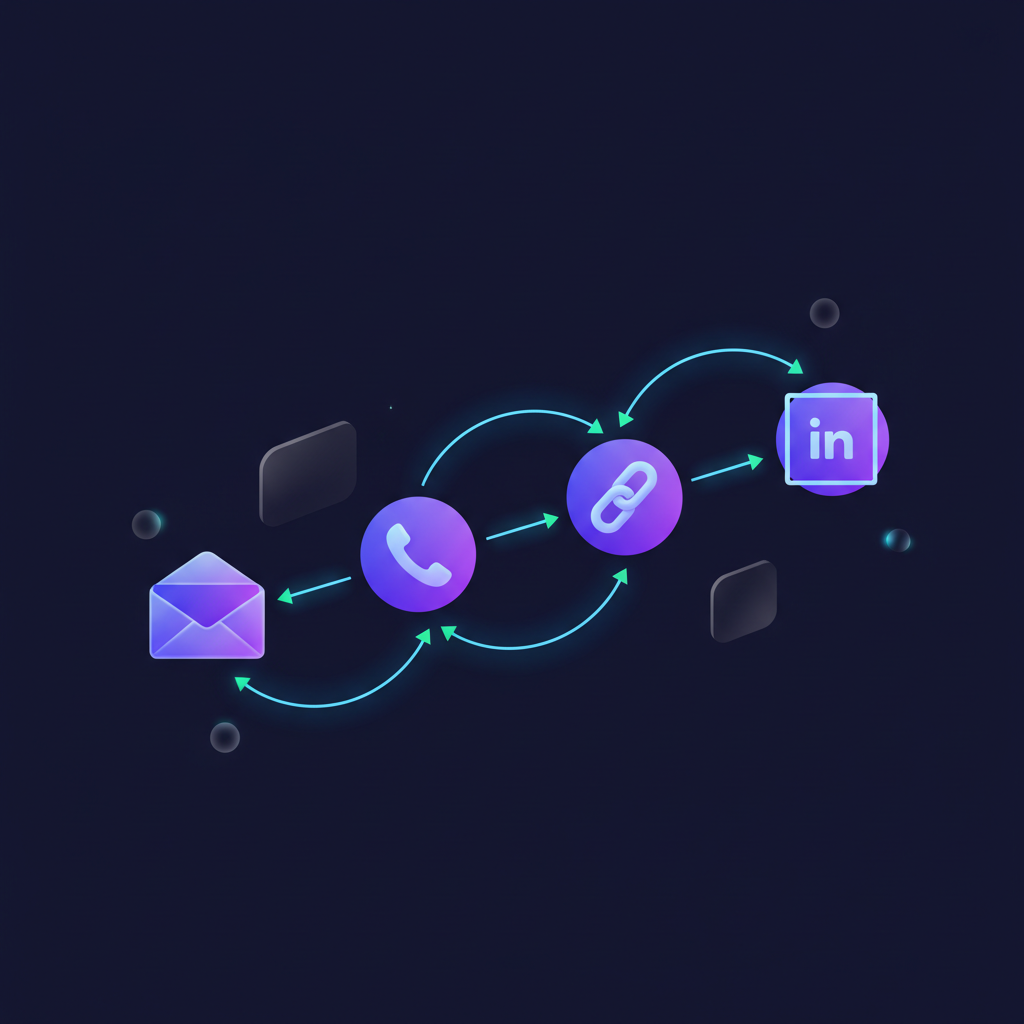
The Multi-Channel Mix: Email, Phone, LinkedIn, Video
An effective sequence integrates various channels. A common structure might include:
- Email: The backbone for delivering detailed value, case studies, or thought leadership. Craft concise, benefit-driven subject lines and body copy.
- Phone Calls: Often the fastest way to connect. Don't leave a voicemail every time; vary your approach. When you do leave one, make it compelling. For initial outreach, consider Cold Call Opening Lines That Hook Prospects (Not Hangups).
- LinkedIn: Ideal for professional networking, sharing relevant content, and direct messaging. Personalize connection requests and follow up with value-add messages.
- Video: Short, personalized video messages (e.g., via Loom) embedded in emails can dramatically increase engagement by adding a human touch.
Sequencing Touchpoints: Timing and Cadence
The optimal number of touchpoints and the spacing between them can vary by industry, persona, and product complexity. A typical sequence might involve 8-12 touches over 15-25 business days. Vary the channels and the message type with each step. For a deeper dive into structuring these, refer to Sales Cadence Best Practices: How to Build One That Converts.
Here’s a simplified example of a multi-channel outbound sales sequence framework:
- Day 1: Email 1 (Value-driven intro)
- Day 2: LinkedIn Connect Request (Personalized)
- Day 3: Phone Call (No voicemail on first attempt)
- Day 4: Email 2 (Follow-up to email 1, new value prop)
- Day 6: LinkedIn Message (If accepted, share relevant content)
- Day 7: Phone Call (Leave a compelling voicemail if no answer)
- Day 9: Email 3 (Case study or relevant resource)
- Day 11: LinkedIn InMail/Message (Reiterate value, offer resource)
- Day 14: Email 4 (Breakup email, offer last chance for value)
Crafting Effective Messaging for Each Step
Each touchpoint needs a unique, compelling message. Avoid repetition. Focus on different angles of your value proposition. Use concise language, clear calls to action, and always aim to spark curiosity or provide a tangible benefit.
Email Example (Step 1 - Value-Driven Intro):
Subject: Idea for [Company Name]'s [Specific Challenge]
Hi [Prospect Name],
Saw that [Company Name] is focused on [recent news/initiative/common challenge for their industry]. Many [Prospect's Industry] companies I work with struggle with [specific pain point related to your solution].
We recently helped [Similar Company] achieve [quantifiable result] by [briefly mention how].
Would you be open to a quick 15-minute chat next week to explore if a similar approach could benefit [Company Name]?
Best, [Your Name]
LinkedIn Connection Request Example:
"Hi [Prospect Name], I saw your post about [topic] and found it insightful. I work with [companies like yours] on [related challenge] and would love to connect and learn from your perspective."
Phase 3: Optimizing for Conversion and Iteration
Building the sequence is just the beginning. The real magic happens in continuous optimization.
A/B Testing and Performance Metrics
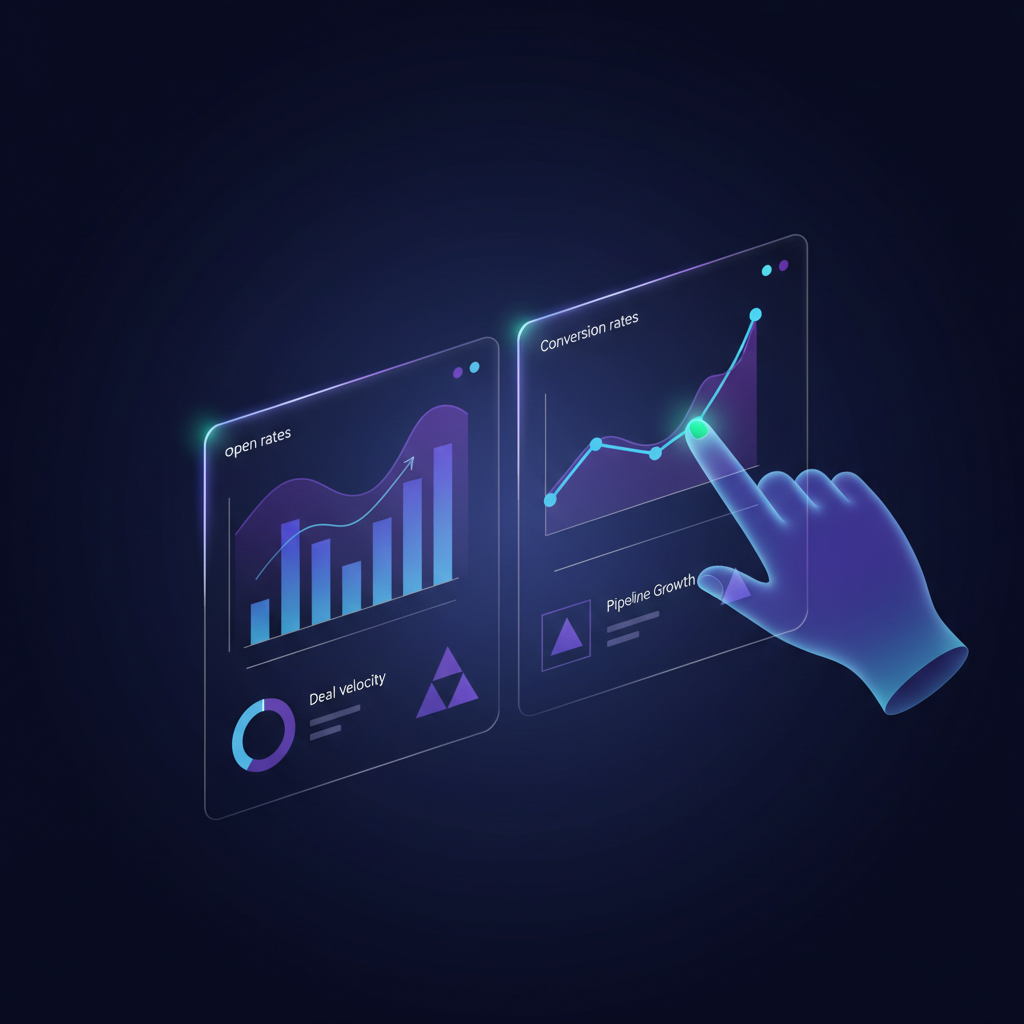
Treat your sequences like scientific experiments. A/B test everything: subject lines, email body copy, calls to action, timing, and even different channels. Track key metrics such as open rates, click-through rates, reply rates, and most importantly, meeting booked rates. Tools like HubSpot or Outreach.io provide robust analytics for this. Regularly review your Sales Performance Metrics Beyond Quota: A Modern Framework to identify areas for improvement.
Leveraging AI for Personalization and Efficiency
Artificial intelligence is revolutionizing outbound sales. AI-powered tools can help SDRs:
- Personalize at Scale: Analyze prospect data to suggest highly relevant talking points and content.
- Optimize Messaging: Identify which messages and subject lines perform best based on historical data.
- Automate Tasks: Free up SDRs from manual data entry and follow-up scheduling, allowing them to focus on high-value conversations.
QUOTA Training leverages AI Sales Coaching Strategies: Personalizing Growth at Scale to help reps refine their messaging and delivery, making every touchpoint count. Furthermore, What Is AI Role-Play for Sales Training? The Complete Guide offers a powerful way for SDRs to practice and perfect their sequence interactions in a safe environment.
Handling Objections Within the Sequence
Even with the best sequence, objections will arise. Anticipate common objections (e.g., "not interested," "send me an email") and prepare concise, value-driven responses for each. Your sequence should include steps that proactively address these. For a comprehensive approach, review 7 Objection Handling Techniques Every SDR Should Master.
QUOTA Training: Elevating Your SDR Team's Outbound Performance
Mastering building high-converting outbound sales sequences requires practice, feedback, and continuous learning. QUOTA Training offers a gamified AI role-play and voice-simulation platform specifically designed to sharpen your SDR team's skills. From crafting personalized messages to confidently handling objections, our platform provides a realistic, low-stakes environment for reps to rehearse and perfect every step of their outbound process. Equip your team with the confidence and competence to drive real results. Learn more at QUOTA Training.
FAQ
What is the ideal length for an outbound sales sequence?
The ideal length for an outbound sales sequence typically ranges from 8 to 12 touchpoints spread over 15 to 25 business days. However, this can vary significantly based on your industry, target persona, and the complexity of your product or service. The key is to provide consistent value without overwhelming the prospect, and to continuously test and optimize your sequence length based on performance metrics.
How often should I update my outbound sales sequence?
Outbound sales sequences should be treated as living documents, not static blueprints. You should review and update your sequences regularly, ideally quarterly, or whenever you notice a significant shift in market conditions, buyer behavior, or product offerings. Continuous A/B testing of individual elements (subject lines, calls to action, content) should be ongoing, leading to smaller, iterative improvements more frequently.
What's the biggest mistake SDRs make when building outbound sequences?
The biggest mistake SDRs make is failing to personalize and relying on a one-size-fits-all approach. Sending generic, templated messages without specific insights into the prospect's role, company, or pain points will severely limit conversion rates. Another common error is focusing solely on their product's features rather than the value and solutions it provides to the prospect's specific challenges.

Stefano Breglia
Co-founder, QUOTA Training
Stefano Breglia is co-founder of QUOTA Training. He focuses on sales methodology, deal progression and how AI simulation accelerates rep ramp time across the SDR, BDR, AE and AM roles.
Turn this into reps, not just reading
QUOTA Training lets your team practise these exact scenarios with an AI buyer that reacts like the real thing — then scores every call.
See it in action