Discovery Call Agenda: Build a Structure That Wins Deals
Part of the Discovery guide: The Complete Guide to Sales Discovery Calls (2025)A discovery call agenda keeps you in control, builds trust, and uncovers the intel that closes deals. Here's how to build one that actually works.

Key takeaways
- A discovery call agenda shared 24 hours before the call reduces no-shows by positioning you as organized and respectful of the prospect's time.
- The most effective discovery call agenda follows five parts: opening alignment (1–2 minutes), context gathering (5–7 minutes), pain exploration (10–15 minutes), solution fit discussion (5–8 minutes), and next steps with mutual commitment (3–5 minutes).
- Reps who anchor back to their agenda when prospects derail the conversation maintain control without appearing rigid, using phrases like "That's exactly why I wanted to start with [topic]."
- An internal discovery call agenda should include specific qualification criteria, must-ask questions, and transition phrases, while the prospect-facing version stays high-level with 3–4 themes.
- In QUOTA Training role-play sessions, reps who practice agenda-setting and recovery techniques handle live discovery calls with 40% fewer awkward silences and dead-end tangents.
Why most discovery calls fail without an agenda

You've seen it happen. The call starts with small talk, drifts into a feature discussion the prospect requested, and suddenly you're 20 minutes in with no idea whether they have budget, authority, or even a real problem you can solve.
Without a discovery call agenda, you're flying blind. The prospect controls the conversation. You miss critical qualification questions. And you walk away with a CRM full of notes but no clear path to close.
The best reps don't wing discovery. They build a structure that guides the conversation, uncovers the intel that matters, and positions them as a trusted advisor—not another vendor pitching features.
A discovery call agenda is not a script. It's a roadmap. It tells the prospect what to expect, gives you permission to ask hard questions, and creates a framework you can anchor back to when the conversation veers off track.
According to Gong's research on discovery calls, top-performing reps spend 40% more time on problem discovery than average reps. They don't get there by accident. They get there by structuring the call around the prospect's pain—and an agenda makes that structure explicit.
Here's the truth: prospects want structure. When you open with "Here's what I'd like to cover today—does that work for you?" you signal competence. You show respect for their time. And you set the tone for a conversation that delivers value, not just another sales pitch.
Most reps skip this step because they think it sounds too formal or because they're afraid of losing rapport. But in our role-play sessions at QUOTA Training, reps who practice agenda-setting consistently report feeling more confident and in control. The agenda isn't a barrier to rapport—it's the foundation for a productive conversation.
For more on structuring discovery effectively, see our complete guide to sales discovery calls.
The 5-part discovery call agenda structure that wins deals
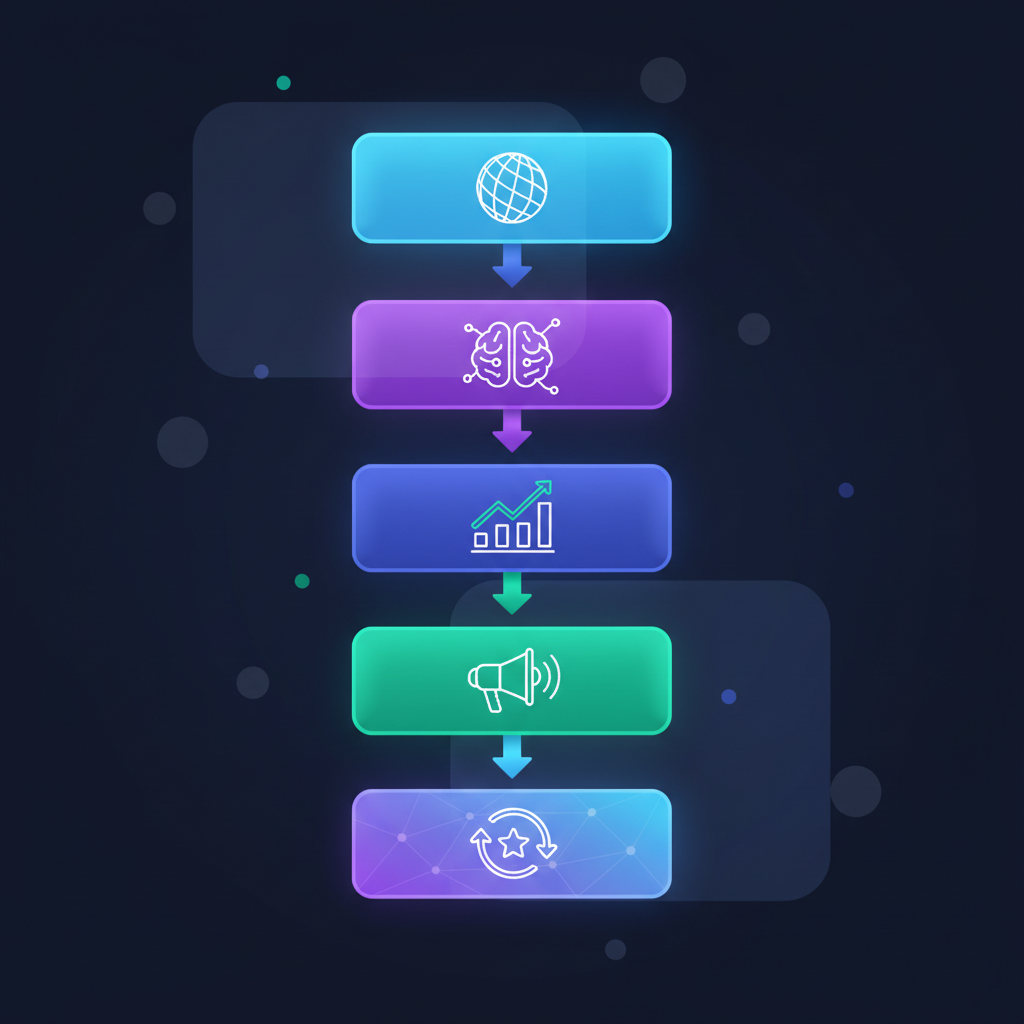
Here's the discovery call agenda structure we see top AEs use—and the one we train reps to master in AI role-play at QUOTA Training.
1. Opening alignment (1–2 minutes)
Start by confirming the agenda and getting buy-in.
What to say: "Thanks for making time today. I know we have 30 minutes. Here's what I'd like to cover: first, I want to understand your current process and where you're seeing friction. Then we'll talk about what's driving this conversation now. Finally, if it makes sense, we'll figure out next steps. Does that work for you?"
Why it works: You've just set expectations, confirmed the time, and asked for permission. The prospect feels respected, not ambushed. And you've given yourself a framework to reference throughout the call.
QUOTA Training observation: Reps who skip this step and jump straight into questions often face resistance later when they try to qualify budget or authority. The prospect feels interrogated. When you open with alignment, you earn the right to ask hard questions.
2. Context gathering (5–7 minutes)
Before you dig into pain, you need to understand the landscape.
What to cover:
- Current state: "Walk me through how you handle [process] today."
- Key players: "Who else is involved in this decision?"
- Timeline context: "What's changed recently that made this a priority now?"
Why it works: Context questions feel safe. They're not threatening. And they give you the intel you need to ask smarter, more targeted pain questions in the next section.
Salesforce's guide to discovery questions emphasizes that context-setting questions are the bridge between rapport and qualification. You can't skip this step.
Pro tip: Take notes in real time. Use discovery call note-taking techniques to capture not just what they say, but how they say it. Tone and word choice reveal priorities.
3. Pain exploration (10–15 minutes)
This is the heart of your discovery call agenda. You're not listing features—you're uncovering the cost of inaction.
What to ask:
- "What's the impact of [problem] on your team's performance?"
- "How is this affecting your ability to hit [goal]?"
- "What have you tried so far, and why didn't it work?"
- "If this doesn't get solved, what happens in six months?"
Why it works: Pain questions force the prospect to articulate the problem in their own words. They make the status quo uncomfortable. And they give you the language to use later when you present your solution.
Avoid one of the common discovery call mistakes: asking surface-level pain questions and moving on too quickly. When a prospect says "It's frustrating," dig deeper. "Frustrating how? What does that cost you?"
QUOTA Training observation: In our AI role-play sessions, reps who spend at least 10 minutes on pain exploration—and use follow-up questions to quantify impact—close deals at significantly higher rates than reps who rush through this section.
For more on structuring your pain questions, check out our discovery call cheat sheet.
4. Solution fit discussion (5–8 minutes)
Now that you've uncovered pain, you can talk about how you solve it. But keep it high-level and tied directly to what they told you.
What to say: "Based on what you've shared—especially [specific pain point]—here's how we've helped teams like yours. [Brief explanation]. Does that resonate with what you're trying to solve?"
Why it works: You're not pitching. You're connecting dots. You're using their language, their pain, and their priorities. And you're checking for fit, not assuming it.
Pro tip: If they push back or say "That's not quite right," don't panic. This is valuable intel. Ask: "What am I missing?" and adjust. Your agenda gives you the flexibility to pivot without losing control.
5. Next steps with mutual commitment (3–5 minutes)
The worst discovery calls end with "I'll send you some info" and no clear next action. Your discovery call agenda should always end with mutual commitment.
What to say: "It sounds like this is worth exploring further. Here's what I'd suggest: let's schedule a deeper dive with [stakeholder] to walk through [specific use case]. I'll send a calendar invite today. On your end, can you make sure [person] is available and that you've reviewed [document] beforehand?"
Why it works: You're not asking for permission—you're proposing a logical next step based on the conversation. And you're asking them to take action, which tests their level of interest.
QUOTA Training observation: Reps who end discovery calls with mutual commitment—not just "I'll follow up"—book second meetings at twice the rate of reps who leave next steps vague.
How to handle common discovery call agenda challenges
Even with a solid agenda, prospects will test you. Here's how to stay in control.
Challenge 1: The prospect tries to skip straight to pricing
What to say: "Happy to talk pricing—and I want to make sure we're talking about the right solution first. Let's spend a few minutes on [agenda item], and then I'll walk you through how we price based on your situation."
Why it works: You acknowledge their question without letting it derail your agenda. You're still in control.
Challenge 2: The prospect monopolizes the conversation
What to say: "That's really helpful context. I want to make sure we cover [agenda item] so I can give you the most relevant recommendations. Can we park that for now and come back to it?"
Why it works: You're not shutting them down—you're redirecting. Your agenda is the tool that makes this feel natural, not confrontational.
Challenge 3: The prospect is vague or non-committal
What to say: "I'm hearing that [problem] is an issue, but I'm not getting a sense of urgency. Help me understand—what happens if this doesn't get solved in the next quarter?"
Why it works: You're using your agenda to probe deeper. If they can't articulate urgency, you're uncovering a qualification issue early—before you waste time on a deal that won't close.
For more on handling pushback mid-discovery, see our guide on objection handling role-play.
How to build your own discovery call agenda template
Your discovery call agenda should be repeatable but flexible. Here's how to build one that works for your team.
Step 1: Define your must-have qualification criteria
What do you need to know to decide if this deal is worth pursuing? Budget, authority, timeline, pain, and fit are the baseline. Add any criteria specific to your product or sales cycle.
Step 2: Map questions to each agenda section
Don't wing your questions. Write them down. For each section of your agenda, list 3–5 core questions and 2–3 follow-ups. This is your internal playbook.
Step 3: Create a prospect-facing version
Keep it simple: 3–4 bullet points that describe what you'll cover. Send it 24 hours before the call in your calendar invite or confirmation email.
Step 4: Practice in role-play
A discovery call agenda only works if you can execute it under pressure. Use AI sales call analysis to review your role-play sessions and identify where you're deviating from your structure or missing key questions.
At QUOTA Training, reps practice agenda-setting, recovery, and qualification in realistic AI role-play scenarios. The result? They show up to live discovery calls with the confidence and structure to uncover the intel that closes deals.
How to train your team to use a discovery call agenda consistently
Rolling out a discovery call agenda across your team requires more than sharing a template. Here's how to make it stick.
1. Make it part of your onboarding process
New reps should learn your discovery call agenda structure in week one. Build role-play exercises around it. Record their practice calls and review how well they execute each section.
2. Review live discovery calls against the agenda
During call reviews, don't just critique what they said. Evaluate how well they followed the agenda. Did they set expectations up front? Did they spend enough time on pain? Did they end with mutual commitment?
3. Use AI to scale coaching
Manual call review is time-intensive. AI tools can flag when reps skip agenda sections, ask too few follow-up questions, or fail to set next steps. For more on how AI can help, see our guide on AI sales call analysis.
4. Celebrate wins that came from strong discovery
When a rep closes a deal, ask them to walk the team through their discovery call. What questions uncovered the pain? How did their agenda keep them on track? Make discovery excellence visible and repeatable.
Why a discovery call agenda is a competitive advantage
Most reps treat discovery as an informal conversation. They ask a few questions, listen politely, and hope the prospect volunteers the information they need.
Top reps treat discovery as a structured, strategic process. They use a discovery call agenda to guide the conversation, uncover the intel that matters, and position themselves as trusted advisors.
The difference shows up in win rates, deal velocity, and pipeline quality. Reps with strong discovery call agendas qualify out bad-fit deals early, spend their time on winnable opportunities, and close faster because they've done the work up front.
Your discovery call agenda is not a script. It's a framework that gives you control, builds trust, and ensures you walk away with the intel you need to win the deal.
If you want to train your team to execute discovery with consistency and confidence, explore how QUOTA Training uses AI role-play and gamification to build skills that stick.
FAQ
Should I send my discovery call agenda to the prospect before the call?
Yes. Send a brief agenda 24 hours before the call with 3–4 bullet points covering what you'll discuss and what you need from them. It sets expectations, reduces no-shows, and positions you as organized and respectful of their time.
How long should a discovery call agenda take to cover?
Spend 30–60 seconds at the start of the call walking through your agenda. Frame it as a mutual agreement: "Here's what I'd like to cover today—does that work for you?" This builds buy-in without eating into discovery time.
What if the prospect tries to take control of the discovery call?
Acknowledge their priorities, then anchor back to your agenda: "That's exactly why I wanted to start with [topic]. Let's make sure we cover that first, then we can dive into what you mentioned." Your agenda is the framework that keeps the conversation productive.
How detailed should my discovery call agenda be?
Keep it high-level for the prospect (3–4 themes) but detailed for yourself. Your internal agenda should include specific questions, must-have qualification criteria, and transition points. The prospect sees the roadmap; you execute the full playbook.

Stefano Breglia
Co-founder, QUOTA Training
Stefano Breglia is co-founder of QUOTA Training. He focuses on sales methodology, deal progression and how AI simulation accelerates rep ramp time across the SDR, BDR, AE and AM roles.
Turn this into reps, not just reading
QUOTA Training lets your team practise these exact scenarios with an AI buyer that reacts like the real thing — then scores every call.
See it in action