Cold Call Metrics That Actually Predict Revenue (Not Dials)
Part of the Cold Calling guide: The Complete Cold Calling Guide for 2026: Master Every CallMost teams track dials and talk time. Elite sales leaders measure cold call metrics that forecast pipeline. Here's what to track and why it matters.
Key takeaways
- Conversation rate (connects ÷ dials) predicts pipeline 6x better than dial volume alone—reps with 8%+ conversation rates generate 3x the meetings per hour compared to those below 4%.
- Meeting-set rate (meetings ÷ conversations) should sit between 15-25% for B2B cold calling—below 10% signals objection-handling gaps; above 30% often means reps are over-qualifying or setting low-intent meetings.
- Objection-to-meeting conversion separates top performers from the rest—elite reps convert 40%+ of objection calls into meetings by reframing pushback as buying signals.
- Pipeline velocity from cold-sourced deals reveals true ROI—track days from first call to closed-won, not just meeting volume, to identify which reps generate revenue fastest.
- First-call close rate on meeting confirmations (showing up) averages 65-75%—below 60% indicates poor qualification or weak value articulation during the cold call.
Most sales leaders are drowning in cold call metrics that don't matter.
Your CRM spits out dial counts, talk time averages, and activity leaderboards. Your SDRs compete on volume. Your weekly pipeline reviews celebrate the rep who logged 500 dials—even though they booked two meetings.
Meanwhile, the rep who made 180 calls and set 14 meetings gets overlooked because the dashboard ranks by activity, not outcome.
Here's the problem: the cold call metrics most teams track are lagging indicators that measure effort, not effectiveness. Dials tell you someone showed up. They don't tell you whether that person can open a conversation, handle an objection, or qualify a buyer worth your AE's time.
Revenue-predicting cold call metrics look different. They measure the micro-conversions that cascade into pipeline: conversation rate, objection conversion, meeting quality, and velocity from dial to close. These are the leading indicators that separate teams who hit quota from teams who explain why they didn't.
In this guide, you'll learn the seven cold call metrics that actually forecast revenue, how to calculate each one, what "good" looks like across B2B verticals, and how to build a dashboard that drives behavior instead of just reporting it.
Let's start with the metric that matters most—and the one almost no one tracks correctly.
Why most cold call metrics are vanity metrics
Walk into any sales floor and you'll see a leaderboard: dials made, minutes logged, emails sent.
These are activity metrics. They answer one question: Did the rep do the work?
But activity doesn't equal outcome. A rep can make 100 dials with a poorly-researched list and a weak opener, connect with four people, fumble two objections, and book zero meetings. Another rep dials 60 prospects with a tailored approach, connects with eight, navigates objections confidently, and sets five qualified meetings.
Guess which one your dashboard celebrates?
According to Gartner research on sales forecasting, activity-based metrics have near-zero correlation with quota attainment when measured in isolation. What does correlate? Conversion rates at each stage of the funnel, time-to-next-stage, and deal velocity.
The same logic applies to cold calling. Dials are the input. Meetings are an output. But the conversion points in between—how many dials become conversations, how many conversations survive objections, how many meetings actually show up—are the metrics that predict whether your pipeline will hit target in 60 days.
If you're still running weekly reviews that start with "How many dials did you make?", you're optimizing for the wrong number.
The seven cold call metrics that forecast pipeline
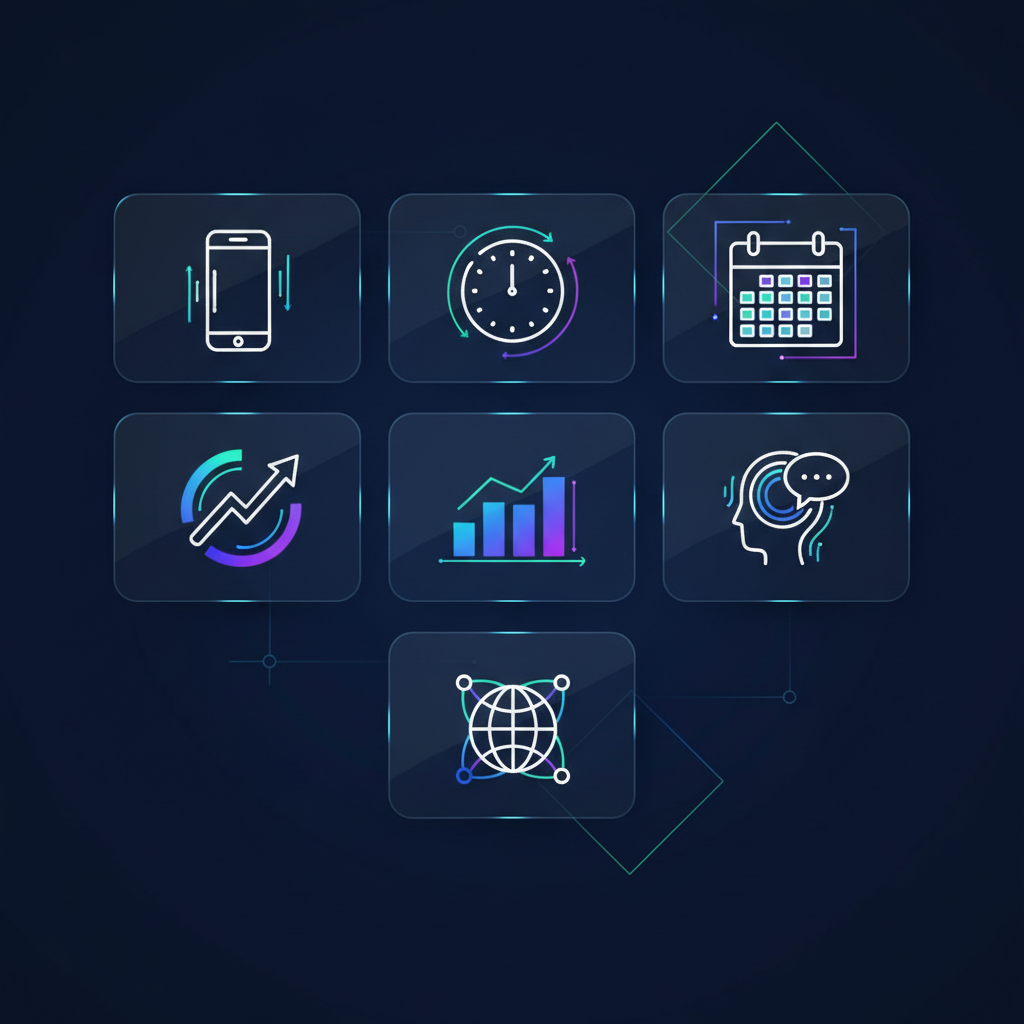
Here are the metrics elite sales teams track—and the thresholds that separate high performers from the rest.
1. Conversation rate (connects ÷ dials)
What it measures: The percentage of dials that result in a substantive conversation (anything beyond a gatekeeper brush-off or immediate hang-up).
Why it matters: Conversation rate isolates list quality, timing strategy, and opener effectiveness. If your reps are dialing 100 times to get three conversations, the problem isn't effort—it's targeting, research, or how they open.
Benchmark:
- 5-8% is typical for B2B cold calling
- Below 3% signals list decay, poor timing, or weak openers
- Above 10% indicates strong targeting and relevant messaging
How to improve it: Tighten your ICP, call during high-connect windows (8-9 AM, 4-5 PM local time), and test opening lines that convert. In our AI role-play sessions, reps who personalize the first seven seconds—referencing a trigger event or mutual connection—see conversation rates 40% higher than those using generic openers.
2. Meeting-set rate (meetings ÷ conversations)
What it measures: The percentage of conversations that result in a booked meeting.
Why it matters: This is your objection-handling and qualification litmus test. A low meeting-set rate means reps are connecting but failing to navigate pushback or articulate value quickly enough.
Benchmark:
- 15-25% for B2B cold calling
- Below 10% indicates objection-handling gaps or misaligned messaging
- Above 30% may signal over-qualification (reps only asking for meetings when the prospect is already warm) or low-quality meetings that won't show
How to improve it: Train reps to reframe objections as buying signals. When a prospect says "We're all set," that's not a no—it's a chance to ask what "all set" means and uncover dissatisfaction. Our data shows reps who deploy cold call objection handling techniques that probe instead of pitch convert 22% more conversations into meetings.
3. Objection-to-meeting conversion rate
What it measures: The percentage of calls where a prospect raises an objection and the rep still books a meeting.
Why it matters: Most cold calls include objections. The difference between a 10% meeting-set rate and a 25% rate isn't fewer objections—it's how reps respond. Elite performers treat objections as engagement, not rejection.
Benchmark:
- 40-50% for top-performing reps
- Below 25% means reps fold under pushback
- Above 60% is rare and typically seen in highly-targeted, referral-heavy outbound
How to improve it: Record and review every objection call. Tag the objection type (timing, budget, status quo, authority) and the rep's response. Build a living playbook of what works. In AI role-play at QUOTA, we simulate high-pressure objections repeatedly until reps internalize the reframe—so when a real prospect says "Not interested," the response is automatic, confident, and conversational.
4. Average conversation duration
What it measures: The median or mean length (in seconds) of conversations that advance past the opener.
Why it matters: Duration is a proxy for engagement. A 45-second conversation usually means the rep got shut down. A 3-minute conversation suggests genuine curiosity or at least polite engagement. But beware: conversations longer than 6 minutes on a cold call can indicate rambling or failure to ask for the meeting.
Benchmark:
- 90-180 seconds is the sweet spot for cold calls that convert
- Below 60 seconds means reps aren't earning the right to continue
- Above 300 seconds often correlates with lower meeting-set rates (reps talking at prospects instead of qualifying and closing for next steps)
How to improve it: Teach reps to earn increments of time. Open with a pattern interrupt, ask a single diagnostic question, listen, then propose the meeting. Longer isn't better—relevant is better.
5. First-call close rate (meeting show-up rate)
What it measures: The percentage of booked cold-call meetings where the prospect actually attends.
Why it matters: A meeting that doesn't happen is pipeline theater. If your show-up rate is below 60%, reps are either over-promising, under-qualifying, or failing to create urgency during the call.
Benchmark:
- 65-75% is standard for B2B cold-sourced meetings
- Below 60% signals weak qualification or poor follow-up
- Above 80% indicates strong qualification and multi-touch confirmation sequences
How to improve it: At the end of every cold call, confirm why the prospect agreed to meet, recap the specific problem you'll address, and send a calendar invite with a one-line reminder of that problem. In our experience training SDRs, reps who verbally confirm "So just to recap—you mentioned X is costing you Y, and we'll spend 20 minutes exploring how to fix that. Does Thursday still work?" see 18% higher show rates.
6. Pipeline velocity (days from cold call to closed-won)
What it measures: The median number of days between the first cold call and a closed deal, for deals sourced via cold outbound.
Why it matters: This metric reveals whether your cold-call process generates fast revenue or just activity. Two reps might book the same number of meetings, but if Rep A's deals close in 45 days and Rep B's take 120, Rep A is 2.5x more valuable to the business.
Benchmark:
- Varies widely by deal size and sales cycle, but track the delta between cold-sourced and inbound-sourced deals
- If cold-sourced deals take 50%+ longer to close, your reps may be forcing unqualified meetings or failing to surface urgency early
How to improve it: Qualify harder on the cold call. Ask about timeline, budget authority, and current pain before you book the meeting. Reps who surface disqualifiers early waste less AE time and generate faster pipeline. For more on aligning metrics across the funnel, see our guide to sales coaching metrics.
7. Cost per meeting (fully-loaded)
What it measures: Total cost (salary, benefits, tools, list costs) divided by meetings set in a given period.
Why it matters: This is your ROI reality check. If it costs you $180 in fully-loaded comp and tech to generate one cold-call meeting, and your average deal size is $8,000 with a 20% close rate from meeting to close, your unit economics work. If it costs $400 per meeting, you're burning cash.
Benchmark:
- Highly variable by ACV and market, but compare cost per cold-call meeting to cost per inbound meeting
- If cold is 3x more expensive but converts at the same rate, you need to improve conversation and meeting-set rates or re-allocate budget
How to improve it: Increase conversation rate and meeting-set rate (metrics 1 and 2 above). Every percentage-point gain in conversion lowers your cost per meeting. This is why investing in training—especially scalable AI role-play that doesn't require manager time—pays off. Reducing SDR ramp time by even two weeks can drop cost per meeting by 15-20% across a team.
How to build a cold call metrics dashboard your team will actually use

A dashboard is only useful if it changes behavior. Here's how to design one that does.
Start with leading indicators, not lagging
Your dashboard should answer: What do I need to fix today to hit pipeline next month?
That means conversation rate, meeting-set rate, and objection conversion go at the top. Dial count goes at the bottom—or disappears entirely.
Make it individual and comparative
Reps need to see their own trends (week-over-week conversation rate) and how they stack up against peers. Leaderboards work when they rank the metrics that matter. Celebrate the rep with the highest objection-to-meeting conversion, not the one who made the most dials.
Refresh it daily (or in real time)
Weekly reviews are autopsies. Daily dashboards let reps course-correct while the week is still salvageable. If a rep's conversation rate drops from 7% to 3% on Tuesday, you can intervene Wednesday—not next Monday.
Tie metrics to coaching actions
Next to each metric, surface the training resource that improves it:
- Low conversation rate? → Link to list hygiene checklist and opener scripts
- Low meeting-set rate? → Assign an objection-handling role-play
- Low show-up rate? → Review qualification framework
This is where AI training platforms like QUOTA shine: reps can launch a role-play scenario directly from the dashboard, practice the skill tied to their weakest metric, and get instant feedback—no manager calendar Tetris required.
For a deeper look at tracking what matters across your entire training program, explore our guide to AI sales training metrics.
Common cold call metric mistakes (and how to avoid them)
Mistake 1: Tracking dials without tracking list quality
The problem: Reps hit dial quotas by burning through low-quality lists. Conversation rates tank, but the activity dashboard stays green.
The fix: Track dials per segment (enterprise vs. SMB, industry, persona). If enterprise conversation rates are 9% and SMB is 2%, you've found your targeting problem.
Mistake 2: Celebrating meeting volume without tracking meeting quality
The problem: Reps book 15 meetings, but only 3 show up and 1 advances to discovery. You've rewarded calendar spam.
The fix: Weight meetings by outcome. A meeting that shows and advances is worth 5x a no-show. Adjust comp and leaderboards accordingly.
Mistake 3: Ignoring the time dimension
The problem: A rep's conversation rate looks fine at 6%—but it was 9% last month. By the time you notice the trend, they've lost four weeks of pipeline.
The fix: Plot every metric as a time series. Set alerts for week-over-week drops of 20%+ in any core metric.
Mistake 4: Measuring averages instead of distributions
The problem: Your team's average meeting-set rate is 18%. Sounds fine—until you realize three reps are at 30%, and seven are below 10%. The average hides a training crisis.
The fix: Use percentile distributions (P10, P50, P90) and flag anyone below the 25th percentile for immediate coaching.
How to coach to cold call metrics (not just report them)
Metrics without coaching are just scorekeeping. Here's how to close the loop.
Run metric-based 1:1s
Instead of "How's it going?", open with: "Your conversation rate dropped from 8% to 5% this week. Let's listen to three dials and figure out why."
This is how sales leadership 1:1 meetings drive performance: you diagnose the why behind the number, not just the number itself.
Use AI role-play to target weak metrics
If a rep's objection-to-meeting conversion is 18% (below the 25% threshold), assign five AI-simulated objection scenarios before Friday. Track whether their live conversion rate improves the following week.
At QUOTA, we see reps who complete targeted role-play improve their weakest metric by an average of 12 percentage points within two weeks—because the practice is specific to the gap, not generic.
Celebrate improvement, not just performance
Recognize the rep who moved conversation rate from 4% to 7% as loudly as the one sitting at 10%. Growth is coachable; natural talent isn't. Rewarding progress builds a culture where metrics are tools, not judgments.
Integrating cold call metrics into your broader sales system
Cold calling doesn't exist in a vacuum. The metrics you track here should ladder up to pipeline health, forecast accuracy, and revenue attainment.
Connect cold call metrics to pipeline coverage
If your team needs 3x pipeline coverage to hit quota, and cold calling contributes 40% of new pipeline, reverse-engineer the meeting volume required—then work backward to the conversation rate and dial volume needed to hit it.
Use cold call data to inform territory and list strategy
If conversation rates in Financial Services are 11% and Healthcare is 4%, reallocate headcount or refine messaging by vertical. Metrics tell you where to hunt, not just how to hunt.
Feed cold call performance into forecasting models
Reps with consistently high objection conversion and meeting-set rates generate more predictable pipeline. Weight their forecasts accordingly. According to Salesforce research on sales metrics, teams that incorporate leading indicators (like conversion rates) into forecasts reduce variance by 18-24%.
For a comprehensive look at how metrics drive revenue across the entire sales motion, see our complete cold calling strategy guide.
FAQ
What cold call metrics should sales managers track?
Track conversation rate (connects ÷ dials), meeting-set rate (meetings ÷ conversations), objection-to-meeting conversion, average conversation duration, first-call close rate on meetings, and pipeline velocity from cold-sourced deals. These predict revenue better than dial volume alone.
Why are dials a poor cold call metric?
Dial volume measures activity, not effectiveness. A rep making 100 dials with a 2% conversation rate underperforms a rep making 60 dials at 8%. Conversation rate, meeting quality, and pipeline conversion are leading indicators; dials are lagging and easily gamed.
How do you calculate cold call conversation rate?
Divide total conversations (any substantive dialogue beyond a gatekeeper brush-off) by total dials. A 5-8% conversation rate is typical for B2B; below 3% signals list quality or opener issues. Track weekly to spot trends before they hurt pipeline.
What is a good meeting-set rate for cold calls?
For B2B cold calling, 15-25% of conversations should result in a meeting. Below 10% indicates objection-handling gaps or poor qualification. Above 30% may signal over-qualifying or setting meetings that won't show.
How can AI training improve cold call metrics?
AI role-play platforms let reps practice objection handling, openers, and qualification at scale without manager time. Reps can target their weakest metric—like objection conversion—complete 10 scenarios in 30 minutes, and see measurable improvement in live calls within days.

Stefano Sechi
Co-founder, QUOTA Training
Stefano Sechi is co-founder of QUOTA Training. He works hands-on with B2B sales teams on cold calling, discovery and objection handling, and shaped much of the methodology behind QUOTA’s AI role-play scenarios.
Turn this into reps, not just reading
QUOTA Training lets your team practise these exact scenarios with an AI buyer that reacts like the real thing — then scores every call.
See it in action